Finding water where it doesn’t belong on your floors, dripping through a ceiling, soaking into drywall can feel overwhelming. In Calgary, where frozen pipes, spring melt, and sudden storms are common, water damage can escalate fast.
The first 60 minutes matter more than most people realize. Quick, calm steps can limit how far the water spreads, reduce the chance of mould, and keep a bad situation from turning into a full rebuild. Here’s what to do immediately, and when it’s time to call in a professional restoration team.
Emergency water damage is any sudden water intrusion that needs immediate action—think burst pipes, overflowing appliances, roof leaks during a storm, or a flooded basement after heavy melt.
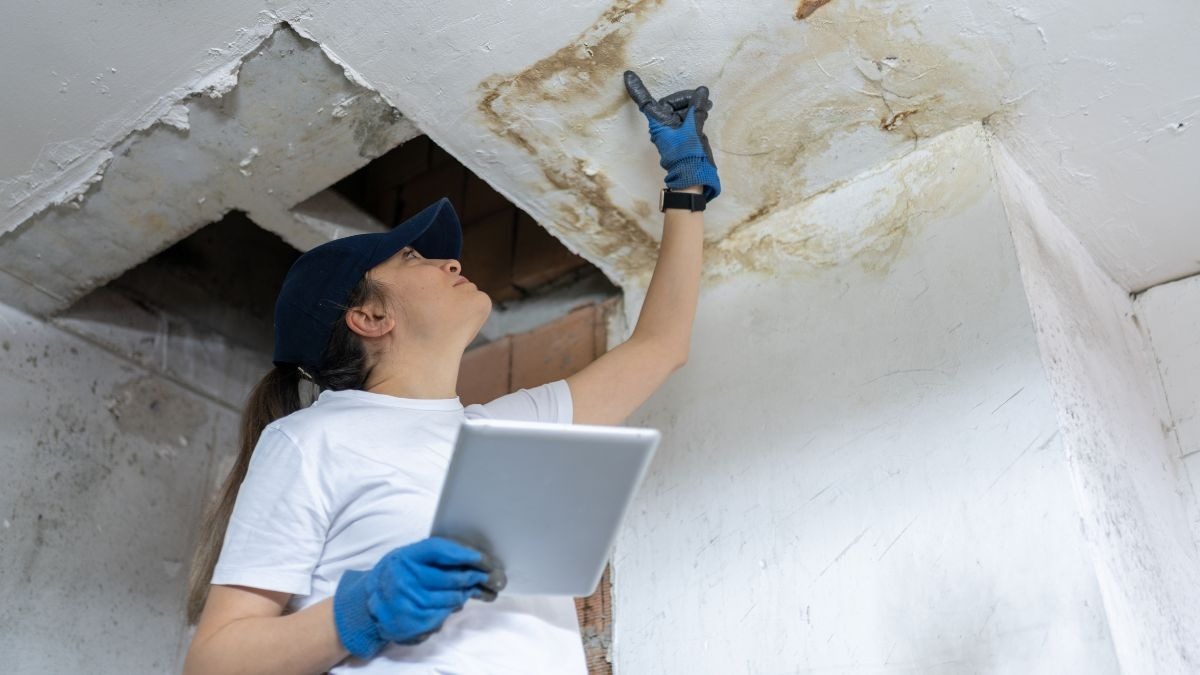
Water doesn’t just sit on the surface. It travels into baseboards, under flooring, behind walls, and into insulation. When that happens, the risk jumps quickly: mould can start developing within 24–48 hours, and materials like drywall and wood can swell, warp, and weaken.
Water damage can hit homes, offices, retail spaces, and industrial buildings—often with little warning. In Calgary, some of the most common culprits include:
No matter the source, the priority is the same: stop the water, protect the space, and start drying as soon as possible.
When water is left untreated, “secondary damage” is what gets expensive. Moisture spreads, materials break down, and odours set in. Mould can begin growing quickly, especially in dark, warm cavities like wall spaces and under flooring.
Here’s a realistic timeline:
| Time After Water Intrusion | What Can Happen |
| First hour | Water spreads and begins soaking carpet, drywall, subfloor, and furniture. |
| 24–48 hours | Mould risk increases; drywall and wood begin swelling and warping. |
| 1 week | Damage compounds; materials may require removal; odours and mould spread. |
| Beyond 1 week | Restoration costs rise significantly; health risks can increase. |
In the first 60 minutes, your goal is simple: stay safe, stop the water, and prevent it from spreading.
1) Put safety first (power + hazards)
If water is near outlets, lights, or electrical panels, don’t take chances.
If you’re unsure, step back and call a professional—your safety matters more than saving flooring.
2) Stop the water source
If it’s plumbing-related, shut off:
If it’s from a roof leak or storm intrusion, contain what you can (buckets/towels) and focus on preventing spread until help arrives.
3) Move what you can—only if it’s safe
If conditions are safe:
4) Call an emergency water damage restoration company
Professional mitigation early on is often the difference between “dry it and repair” and “tear-out and rebuild.” A restoration team can start water extraction, moisture mapping, drying, and documentation right away.
Once the immediate danger is under control, document everything before heavy cleanup begins.
What to capture:
Many restoration companies can also help you coordinate with your insurer and adjuster so the claim stays organized from day one.
When you are stressed and moving fast, it’s easy to hire the first company that answers. Instead, look for a team that can prove they’re equipped for the job.
ResQ Pro Restoration is a full-service restoration company serving Calgary and surrounding areas, supporting both residential and commercial properties. When water damage hits, our team responds quickly, documents the damage, and begins professional water extraction and structural drying to help prevent mould and long-term issues.
We also work seamlessly with insurance providers to keep the process efficient and less stressful so you can focus on getting back to normal while we handle the restoration work.
Water damage moves fast and in Calgary, it can go from “a small leak” to major repairs in a short time. If you act quickly in the first hour, prioritize safety, stop the water source, document the damage, and bring in a qualified restoration team, you’ll greatly reduce the risk of mould and structural problems.
If you need emergency water damage restoration in Calgary, ResQ Pro Restoration is ready to help 24/7.
Does home insurance cover emergency water damage restoration in Calgary?
Many policies cover sudden, accidental water damage (like a burst pipe). Coverage for overland flooding often requires additional protection. The best next step is to check your policy or speak to your broker/insurer.
Can water-damaged belongings be saved?
Sometimes. Hard, non-porous items are often salvageable. Porous materials (carpet, drywall, insulation, upholstered furniture) may need removal depending on how long they were wet and how contaminated the water is.
How long does the water damage restoration process take?
Drying and mitigation often take a few days, but full repairs can take longer depending on the severity, materials affected, and insurance approvals. A restoration professional can give a clearer timeline after checking moisture levels.
We Restore More Than Property – We Restore Peace of Mind.

Proudly 100% canadian
Owned and Operated


Unit 6, 415 60 Ave. SE, Calgary, AB T2H 2J5


Copyright © 2026 ResQ Pro Restoration of Calgary. All Rights Reserved. Calgary Web Design by Luminary Software